
Finding the Best Rehearsal Studio Melbourne
Trying to find the right rehearsal studio in Melbourne can feel like a mission, but it really just comes down to nailing three things: where it is, what it costs, and what kind of space you actually need. Whether you're a band gearing up for a gig, a solo artist woodshedding new material, or a creative team needing room to move, getting these basics right is the first step to a great session.
Your Quick Guide to Melbourne Rehearsal Studios
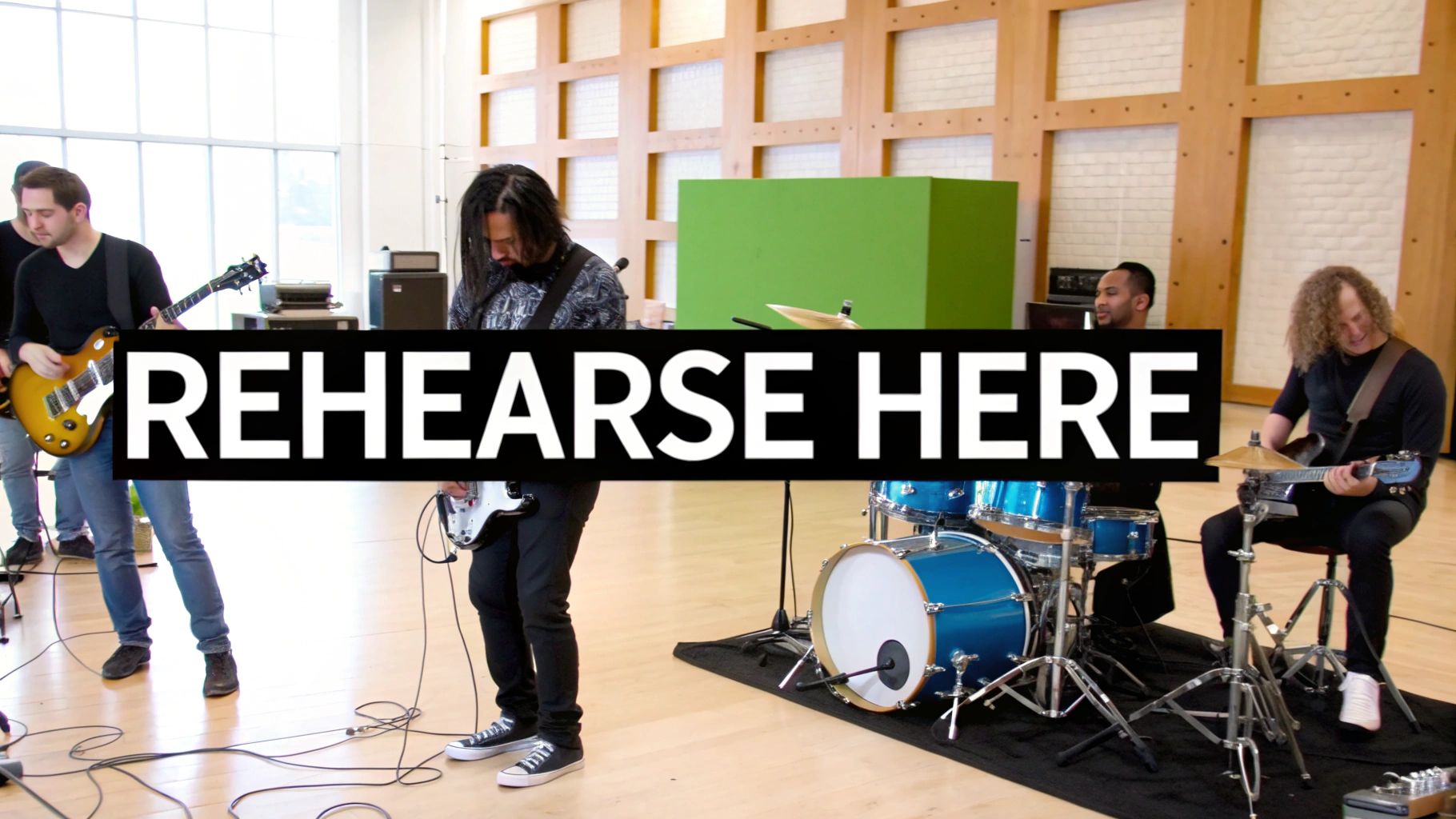
Think of this guide as your compass for navigating Melbourne's vibrant creative scene. The city’s rehearsal spaces are as diverse as the artists who use them, from gritty, no-frills jam rooms to slick, multi-purpose creative hubs. The idea here is to cut through the clutter and give you a clear path to finding a spot that fits your art and your logistics perfectly.
It’s all about choosing the right tool for the job. A straightforward, soundproofed room is ideal for a loud band practice. But if you’re laying down demos or shooting video content, you’ll want a studio with better acoustics and professional gear. The space you pick directly shapes what you can achieve.
Finding Your Fit: Location and Cost
Melbourne’s layout has a big say in what’s on offer. You’ll find everything from basic practice rooms to huge, fully-kitted-out facilities. As you'd expect, the price tag changes a lot depending on where you look and how schmick the space is.
A standard rehearsal room will usually set you back between $50 to $75 per session, which typically gets you a four to eight-hour block.
If you’re after something a bit more premium, maybe with some decent recording gear, you're looking at around $80 to $100 per session. These places are often found in easy-to-reach inner suburbs like South Melbourne, Richmond, and Docklands, which are popular for being so close to the CBD. Don't discount the outer suburbs, though—places like Coburg, Thomastown, and Carrum Downs have fantastic, often more specialised studios that can be easier on the wallet. A good place to get a feel for Melbourne's studio hire options is Tagvenue.com.
Choosing the right rehearsal studio isn't just about four walls and a power outlet. It's about finding an environment that sparks creativity, provides the right tools, and removes logistical friction, allowing you to focus completely on your art.
A Quick Comparison of Studio Options
To help you make a quick, smart choice, it helps to see everything laid out. What you need for your project—whether it's for music, acting, or content creation—will point you to the right type of space. Here’s a quick snapshot of what you can generally find around Melbourne.
Melbourne Rehearsal Studio Snapshot
Studio Type | Typical Price Range (per session) | Common Locations | Best For |
|---|---|---|---|
Basic Jam Room | $50 - $75 | Brunswick, Coburg, Footscray | Bands needing a loud, no-frills space to practice and write. |
Premium Rehearsal Studio | $80 - $100 | South Melbourne, Richmond | Artists preparing for tours or recording high-quality demos. |
Multi-Purpose Creative Space | $100+ | CBD, Docklands, Cremorne | Dancers, theatre groups, photographers, and video shoots. |
Recording Studio | Varies widely | Across Melbourne | Musicians focused on professional audio production. |
This table gives you a starting point. Your final decision will come down to the specific needs of your project, but now you have a clearer idea of what to expect from the city’s diverse offerings.
Understanding Different Types of Rehearsal Spaces
Choosing a rehearsal studio in Melbourne isn’t just about finding four walls and a power point. The kind of room you pick can genuinely make or break your creative output. You have to move past the simple idea of a "room with an amp" and really get to know the different creative environments the city offers. Each studio is built for a specific purpose, and the secret to a great session is matching that purpose to your project.
Think of it like choosing a kitchen. If you're just making toast, a simple toaster does the job. But for a gourmet, multi-course meal? You'll need a fully kitted-out kitchen with all the specialised gear. It's the same with rehearsal spaces; the right one gives you the specific tools and vibe you need to bring your ideas to life, whether you're tightening a live set or creating slick digital content.
Dedicated Music Rehearsal Rooms
The most common option you'll find is the dedicated music rehearsal room. These are the workhorses of Melbourne's music scene, designed from the ground up for bands and solo artists. They are essentially the professional version of the garage, built for volume, durability, and raw, unfiltered creativity.
What can you usually expect in one of these rooms?
Acoustic Treatment: This is more than just soundproofing to keep the neighbours happy. It’s about using absorption panels to tame sound reflections inside the room. This is what lets you hear each instrument clearly instead of everything dissolving into a muddy wall of noise.
Standard Backline: Most spots will have a basic PA system with a couple of mics, a drum kit (usually just the shells, so remember to bring your cymbals and snare), a bass amp, and a guitar amp or two.
Focus on Functionality: Don't expect fancy decor. The vibe is practical. You book these spaces to get loud, lock in your arrangements, and build that crucial chemistry as a band.
This type of rehearsal studio in Melbourne is the perfect choice when your main goal is simply to play together and nail your performance without any fuss.
Multi-Purpose Creative Hubs
A trend we're seeing more of in Melbourne is the rise of multi-purpose creative hubs. These places feel less like a simple jam room and more like a shared creative workshop. They cater to a whole range of artistic needs, acknowledging that today's artists often work across different mediums. A fantastic example is a place like That Creative Hub, which cleverly combines different studio types all under one roof.
These hubs often bring together a mix of facilities:
Photography and Videography Studios: You might find spaces with cyclorama walls, pro lighting rigs, and green screens. These are great for unique rehearsal setups or even live-streamed performances.
Podcast and Audio Suites: These are acoustically treated rooms with top-notch microphones and recording interfaces, perfect for doing voice-overs, recording a podcast, or tracking clean vocal demos.
Flexible Open Areas: Many hubs have larger rooms you can configure for theatre rehearsals, dance practice, workshops, or even small, intimate showcases.
Booking into a creative hub makes a lot of sense when your project is more than just music. If you need to rehearse your set, shoot some promo photos, and record a podcast episode all in the same week, a hub is your one-stop shop.

As you can see, your choice really comes down to balancing the physical space, the gear on offer, and any extra amenities that will help your creative process along.
Specialised Spaces for Dance and Theatre
Finally, you've got highly specialised studios built for specific art forms. A dance studio, for instance, is a completely different beast to a music room. Its most vital feature is a sprung floor—a type of flooring that absorbs shock to boost performance and, more importantly, dramatically reduce the risk of injury for dancers. These spaces also prioritise wall-to-wall mirrors and wide, open, unobstructed floor space.
The energy in a rehearsal room is palpable. As one observer noted after watching a youth orchestra, "Every time I glanced up, I saw smirks, giggles, and even laughs as these young musicians poured their very beings into the music." This really shows how the right space cultivates not just technical skill, but genuine creative joy.
In the same way, theatre groups need rooms that allow for blocking scenes, mocking up sets, and projecting voices without powerful amplification. At the end of the day, the best space for you is the one whose design just gets what your project is all about.
What Every Great Rehearsal Studio Must Have
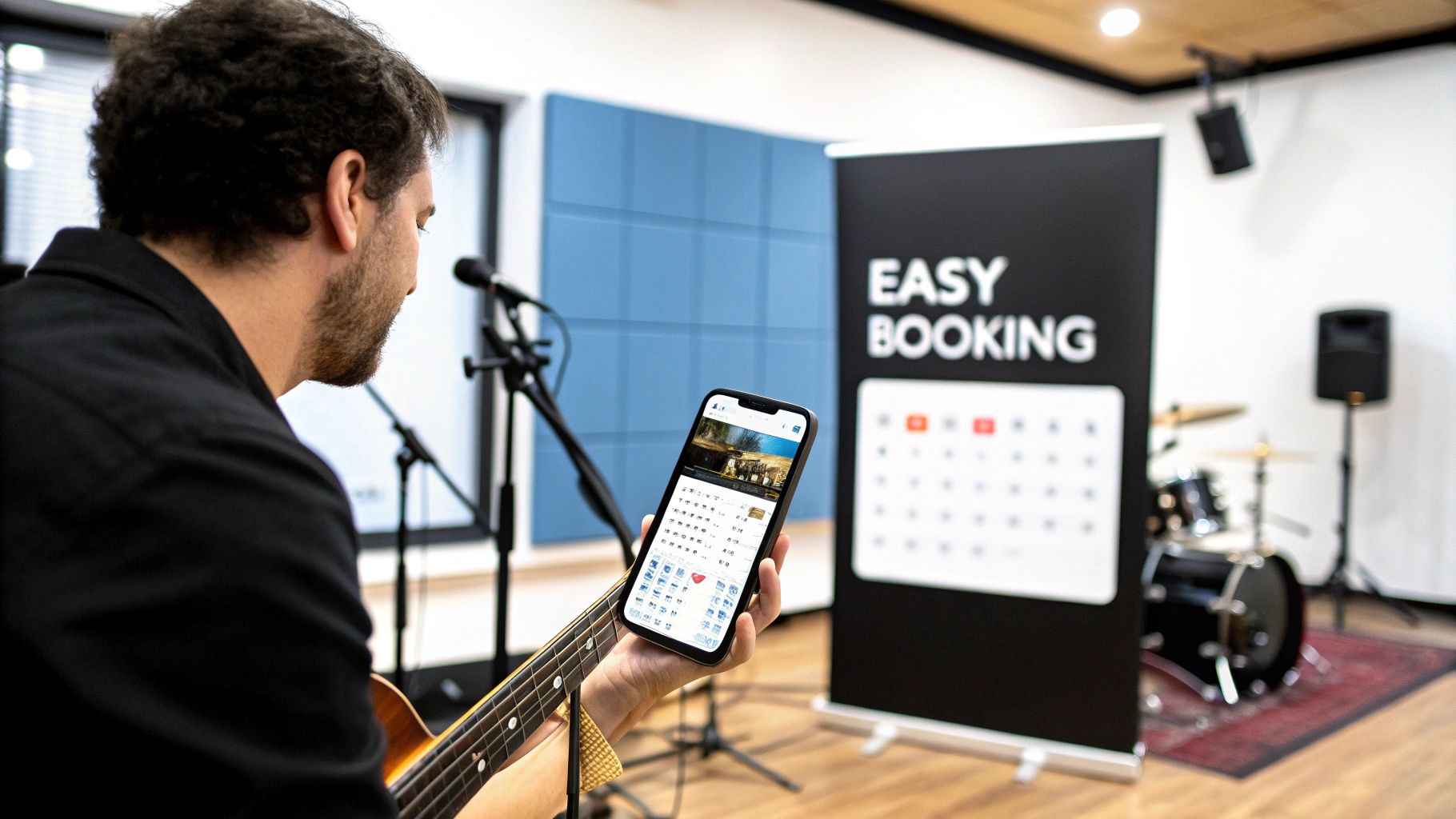
So, you’ve figured out what type of space you need. Now for the fun part: judging what’s inside. It’s the nitty-gritty details—the gear, the vibe, the little extras—that elevate a room from just "good enough" to genuinely great. These are the things that will make or break your session, directly impacting how creative you feel and how good you sound.
Think of it like building your own mental checklist. Some features are absolute deal-breakers, while others are just nice to have. Knowing the difference helps you see past the hourly rate and find the best rehearsal studio Melbourne can offer for what you actually need.
The Non-Negotiables: Core Equipment and Acoustics
Let's start with the absolute essentials—the tools of the trade. A quality rehearsal space should provide a solid, reliable backline so you can pretty much just plug in and play. This isn't just about making your life easier; it's about having gear that won’t die on you mid-song.
Here’s the baseline of what you should expect:
Quality Backline: This means well-maintained drum kits (at least a shell pack), dependable guitar and bass amps from brands you’ve actually heard of, and a PA system that’s clear and simple to use.
A Functional PA System: Any band needs a decent PA with a few vocal mics. You need to be sure it has enough grunt to be heard over the instruments without turning into a distorted mess.
Effective Acoustic Treatment: This is a big one. Good acoustics aren't about making a room dead silent; it's about controlling the sound. You want to see panels, bass traps, or diffusers that stop the sound from turning into a muddy, chaotic wash. Clarity is key, so you can actually hear what everyone is playing.
Good soundproofing and acoustic treatment are less about being loud and more about being focused. When a room sounds right, you’re not fighting it. You’re creating in it.
Without these basics in place, even the most inspired practice can quickly become a frustrating battle against dodgy gear and terrible sound.
Creature Comforts That Foster Creativity
Beyond the gear, it’s the "creature comforts" that often make the biggest difference in how a session feels. These are the thoughtful touches that turn a sterile box into a creative haven where your band can relax, focus, and actually get stuff done.
Look for these amenities that help the creative juices flow:
Lounge Areas: Having a comfy spot outside the rehearsal room to chill, chat about ideas, or just take five is priceless, especially during a long haul.
Kitchen Facilities: Access to a kettle, microwave, or fridge means you can refuel without killing your momentum by having to leave the building.
Accessibility and Parking: A studio that’s easy to get to, with plenty of secure parking or a nearby train station, removes one of the biggest logistical headaches of being a musician.
Clean and Maintained Facilities: It sounds basic, but a clean, well-lit, and secure space shows the owners actually care about your experience.
The standard for rehearsal spaces in Melbourne is always on the rise. More and more, studios understand that a good environment is crucial for creativity. Take a place like The Lighting Lab in Box Hill South—it grew from a live music lighting hire company into a massive 11-room rehearsal space. They don’t just offer rooms; they have lounges and a real community vibe, showing they get what modern musos need. You can dive deeper into Melbourne’s top-tier options with this excellent guide from Beat Magazine.
Added Value: Services and Support
Finally, what really separates the good from the great is the support and extra services on offer. The best studios act more like a partner in your creative journey, providing resources that go way beyond four walls and a PA system. This is where you find the real value.
This could be friendly on-site staff who can help you set up, sort out a technical glitch, or just offer some solid advice. Some studios also have extra gear for hire, like specific cymbals or high-end microphones, for when you need something special. Speaking of which, if you're looking to build your own setup, check out our guide on the top 7 best microphones for home studio retailers in 2025.
This kind of support makes for a smooth, stress-free session, leaving you free to focus on what you’re there to do: make music.
Choosing the Right Melbourne Neighbourhood for Your Sound
Where you set up to rehearse is so much more than just a pin on a map. It’s a real strategic choice that impacts your band's logistics, your creative vibe, and your wallet. Picking a rehearsal studio in Melbourne often comes down to a classic battle between your head and your heart. Do you go for the electric energy and convenience of the inner city, or the focused quiet and better value of a suburban creative hub?
This one decision can set the whole tone for your session. A studio in a buzzing spot like Richmond puts you steps away from cafes and music shops for those last-minute essentials, but you might spend half your time hunting for a park. On the other hand, a space further out in a place like Coburg or Hallam often gives you more breathing room and fewer distractions, creating a kind of retreat where you can really get down to work.
The Inner-City Advantage: Vibe and Convenience
Booking a rehearsal space in Melbourne’s inner suburbs puts you smack bang in the middle of the action. Areas like Richmond, South Melbourne, and Brunswick are just fizzing with creative energy, and that can be seriously inspiring. The central location is also a huge practical plus, especially if your band members are coming from all corners of the city.
There are some solid reasons to stick close to the CBD:
Public Transport Access: If anyone in your band relies on trams or trains, an inner-city studio is usually the easiest and most practical meeting point for everyone.
Proximity to Resources: Snapped a string? Lost a drumstick? Desperate for a decent coffee to get you through the next few hours? Inner-suburb spots are surrounded by shops and cafes.
Networking Opportunities: Let's be honest, being in a central hub means you’re more likely to bump into other musicians, producers, and industry contacts.
Of course, this convenience comes with a catch. Parking is often a nightmare—either limited or expensive—and the hourly rates for the studios themselves can be higher to cover that prime real estate. It's a classic trade-off: easy logistics versus a tighter budget.
The Suburban Hub: Focus and Specialisation
Head out to Melbourne’s outer suburbs, and you'll find a totally different kind of rehearsal environment. These areas are home to larger, often more specialised complexes that are built to be all-in-one creative destinations. They swap the inner-city buzz for space, quiet, and focus. These studios can feel like a dedicated retreat, letting you shut out the world and just get lost in your sound.
Choosing a suburban studio isn’t about compromising; it’s about prioritising. You exchange walkability for dedicated parking, inner-city noise for a focused environment, and premium rent for more space and specialised facilities.
The rise of these massive facilities shows just how serious Melbourne is about its creative infrastructure. A great example is the Pony Music Complex in Hallam, a huge 945-square-metre facility that was built back in 2008. With multiple rehearsal rooms, recording studios, and even a retail shop, it proves the demand for professional, do-it-all creative zones. You can actually check out the story of this ambitious build and see how it reflects the sector's growth in Melbourne's suburbs.
Matching Location to Your Project
At the end of the day, the right neighbourhood comes down to what your specific project needs. A solo artist trying to get pristine vocal takes for a podcast would probably love the controlled quiet of a suburban space. In fact, if you're venturing into audio content, our guide on how to find the best podcast studio Melbourne has to offer might be just what you need.
On the flip side, a band gearing up for a tour might feed off the energy of an inner-city studio, using the rehearsal as a warm-up for a gig at a venue just down the road. Think about everyone's travel time, your budget, and the kind of atmosphere that truly sparks your creativity. Weigh it all up, and you’ll make a smart location choice that sets you up for success from the moment you plug in.
How to Make the Most of Your DIY Studio Experience at That Creative Hub
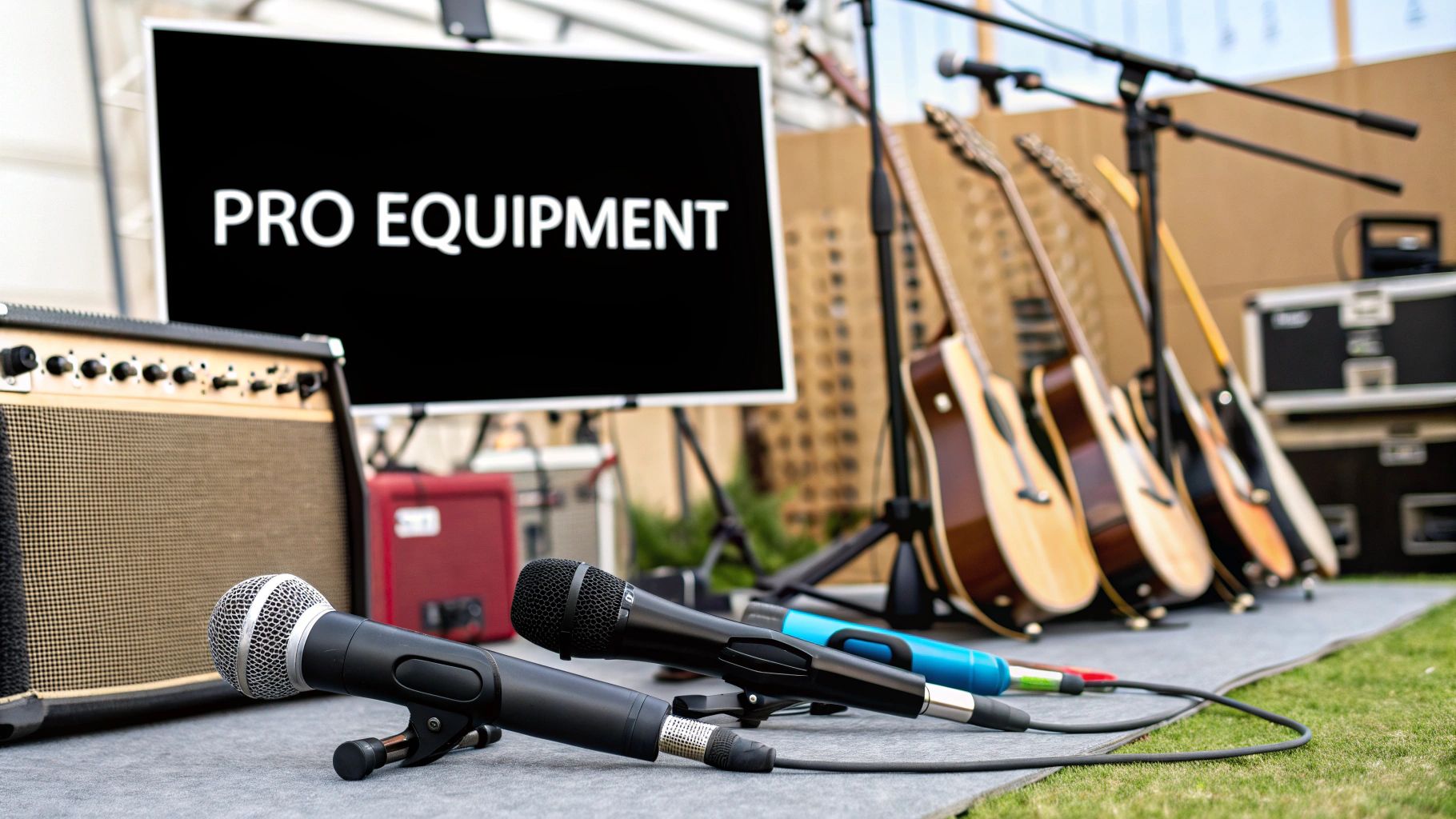
At That Creative Hub, we’re all about empowering you to create — whether you’re a seasoned pro or just starting out. Our spaces are designed to be plug-and-play, but we’re always here to support behind the scenes.
Booking the room is the easy bit. The real art is making every minute you're paying for actually count. It’s all about shifting your mindset from simply using a studio to partnering with it to achieve your goals. A little preparation and knowing what's available to you can transform a standard session into something incredibly productive.
Using the Cyclorama Studio?
Bring your own camera and crew or ask us to connect you with a trusted photographer or videographer from our network. If you’re new to lighting or unsure how to get started, we can guide you through what you need or step in with setup support. The goal is to make it easy for you to walk in and create confidently.
Podcast Studio Access
For podcast users, we offer a fully-equipped, ever-evolving set with a dedicated production manager on-site. Whether you’re filming an interview, a solo series, or a branded piece of content, we can help set the vibe and adjust the layout to suit your vision. The set is flexible, the gear is high-quality, and the support is here if you need it.
Need Help? Just Ask
Can’t get a crew together? Let us handle it. We act as a concierge service for creators, linking you with the right people and tools to bring your vision to life. From photographers to editors, lighting setups to sound checks — we’ve got you.
By tapping into the on-site support at your chosen rehearsal studio in Melbourne, you can focus on creating, not troubleshooting. This approach turns the studio from a passive space into an active collaborator, ensuring you walk out the door with your goals ticked off.
Locking It In: Booking Your Studio and Dodging Common Mistakes
Alright, you've scouted the perfect spot, the band has given the thumbs up, and you can practically feel the creative energy building. The final piece of the puzzle is actually booking the room and making sure there are no nasty surprises on the day. This might feel like the boring admin part, but getting these details right is what separates a great session from a frustrating one.
Securing your rehearsal studio in Melbourne should be a completely painless process. A few simple checks beforehand mean you can walk in, plug in, and get straight to the music without any last-minute drama.
Don't Skip the Fine Print
Before you hit that ‘book now’ button, take a minute to properly read the studio's policies. This isn't just boring legal stuff; it’s the agreement that can save you a real headache down the line. The big one to look for is the cancellation policy. Life happens, gigs get rescheduled, and you need to know what your options are if you have to pull the pin.
Most studios will ask for 24 to 48 hours notice if you want to cancel or shift your booking without losing your money. Miss that window, and you’ll likely forfeit the fee. Think of it less as a penalty and more as a rule of respect—it helps the studio keep rooms available for everyone who needs them.
Double-Check What's Actually Included
One of the oldest traps in the book is assuming what gear comes with the room. A killer hourly rate can lose its shine pretty quickly when you realise you have to hire all the essentials on top of it.
The most common mix-up? Drum kits. The majority of studios provide a "shell pack," which is just the kick drum and the toms. You’re almost always expected to bring your own "breakables."
What are 'breakables'? This is industry speak for the gear a drummer usually brings to a gig: the snare drum, all cymbals (hi-hats, crashes, rides), the kick drum pedal, and often the stool (or throne). Always ask what’s part of the deal to avoid turning up to an unplayable kit.
This goes for everything else, too. Are microphones included? How many? What about XLR leads, guitar cables, or music stands? A quick call or email to the studio manager to confirm exactly what your hire fee covers is a small effort that prevents a whole lot of stress and keeps your budget in check.
A Bit of Studio Etiquette Goes a Long way
Shared creative hubs run on mutual respect. Following a few unwritten rules makes life better for you, the staff, and the next band coming in after you. This is especially true for any busy rehearsal studio Melbourne artists rely on.
Mind the Clock: Your booking time isn't just your playing time; it includes setting up and packing down. Get there on time to get the most out of your session, but be sure to start wrapping up early enough to be completely out of the room when your time is up.
Leave It How You Found It: Put amps back where they were, coil cables neatly, and return mic stands to the corner. Tidy up your empty cans or coffee cups. It’s a simple courtesy.
Keep it Down (Outside the Room): The whole point is to be loud inside the soundproofed room. In the hallways, kitchen, or lounge areas, keep the noise to a minimum out of respect for others.
Flag Any Gear Issues: If an amp is crackling or a cable is dead, let the staff know right away. They can't fix what they don't know is broken, and you’ll be helping them (and the next artist) out.
Nail the booking process and treat the space with a bit of care, and you’ll set yourself up for a killer creative session, every single time.
Your Rehearsal Studio Questions, Answered
Booking a rehearsal space in Melbourne, especially for the first time, can feel like you're missing a piece of the puzzle. You've got the project, you've got the talent, but you need the right room to bring it all together. Getting straight answers to a few common questions can make all the difference.
Let's clear up some of the most frequent queries we hear from Melbourne's creative community.
How Much Does a Rehearsal Studio in Melbourne Cost?
There's no single answer here, as the final price really hinges on the studio's size, location, and the gear on offer. As a general guide, you could find a basic room in an outer suburb for around $50 to $75 for a 4-hour session.
If you're after a premium, fully-kitted-out space in a prime spot like South Melbourne, expect to pay closer to $80 to $100 or more for the same time slot. Pro tip: always confirm whether the quoted price includes the backline and GST. Nobody likes a surprise on their invoice.
Do I Need to Bring My Own Gear?
Most studios will have the basics covered. A standard "backline" usually means you'll walk into a room with a PA system, microphones, a drum kit (often just the shells), and amps for your bass and guitar.
However, you’re almost always expected to bring your own "breakables." This is industry speak for your personal gear—guitars, instrument leads, your snare drum, and cymbals. It's a small but crucial detail to check before you book, so you don't rock up ready to play only to find you can't.
What’s the Difference Between a Rehearsal Studio and a Recording Studio?
This is a big one. Think of it like this: a rehearsal studio is a gym, while a recording studio is a science lab.
The key distinction is purpose. A rehearsal studio is a live-play environment, built for practice, jamming, and performance. A recording studio is a precision instrument, designed to capture pristine, flawless audio. While some spaces do both, they are fundamentally different tools for different creative jobs.
A rehearsal space is all about providing a good-sounding, acoustically treated room where you can play together live. On the other hand, a recording studio is a highly controlled environment with isolated vocal booths, complex mixing desks, and often, a dedicated sound engineer to capture every detail perfectly.
Can I Book a Studio for Something Other Than Music?
Absolutely! The best creative spaces in Melbourne are flexible by design. They're often booked for a whole host of activities that have nothing to do with a four-piece band.
We regularly see our rooms used for:
Acting rehearsals and script read-throughs.
Dance practice (just make sure the space has the right kind of sprung flooring).
Podcast recording and other audio production.
Photography and video shoots for social media or brand work.
Creative workshops and even unique team-building days.
The trick is to be upfront about your plans when you enquire. That way, the studio can make sure the room is genuinely the right fit for what you need to achieve. For more in-depth answers, have a look at our full [Frequently Asked Questions](https://www.thatcreativehub.au/faq-s) page.
At That Creative Hub, we're all about providing top-tier, flexible spaces that help bring your vision to life. Whether you need a cyclorama studio, a professional podcast suite, or a music recording room, we have the tools and support to make your project shine. Book your space at That Creative Hub today and get back to what you do best—creating.
Comments