
Find the Best Music Studio for Rent
- contact733797
- Sep 8, 2025
- 15 min read
Finding a music studio for rent is one thing. Finding the right one? That’s what makes all the difference. The studio you choose directly impacts your workflow, your creative energy, and ultimately, the final sound of your track. It’s not just about booking a room; it’s about finding a space that truly matches your artistic vision.
Defining Your Project and Finding the Right Studio
Before you even open a browser tab to start searching, take a step back. What exactly are you trying to achieve? A little bit of planning at this stage will save you a lot of headaches (and money) later by helping you filter out studios that just aren't a good fit.
The first thing to nail down is the sheer scale of your project. Are you planning to track a five-piece band, live off the floor, capturing that raw energy? Or are you simply overdubbing a single vocal line onto an existing beat? The requirements for these two scenarios couldn't be more different. A full band needs a large live room with great acoustics, and probably a few isolation booths. A solo artist, on the other hand, might just need a compact vocal booth and a well-equipped control room.
Technical Needs and Studio Types
Once you know who is recording, think about what you’ll need to do it. Are you a die-hard Logic Pro X user, or is your whole project built in Pro Tools? Most professional studios are equipped for the major DAWs, but you should never assume—always ask.
The same goes for microphones. If you have your heart set on capturing your vocals with a specific high-end mic, like a Neumann U87, make sure the studio has one. If not, you’ll need to factor in the cost of hiring one separately.
Understanding the different kinds of studios out there is also a huge help. There’s no point paying top dollar for a massive commercial facility if a well-sorted project studio has everything you need. For a deeper dive into this, our guide to music studio hire for flawless tracks is a great resource.
A great recording isn't just about expensive gear; it's about the right gear for the job, in a space that lets you perform without friction. The goal is to find a studio that feels like an extension of your creative process.
The journey from idea to recording session usually follows a few clear steps, from making that first enquiry to getting ready for the big day.
This process ensures that when you walk in to press record, everyone is on the same page and ready to make some magic happen.
To help you get a clearer picture, here’s a quick breakdown of which studio type might be right for you.
Matching a Studio Type to Your Project Needs
Use this table to quickly identify which type of music studio for rent is the best fit for your specific project.
Studio Type | Best For | Common Equipment | Typical Price Range (Per Hour) |
|---|---|---|---|
Project/Home Studio | Solo artists, vocalists, producers, electronic musicians, and demo tracking. | Quality microphones, audio interface, monitors, a DAW, basic acoustic treatment. | AUD $40 - $80 |
Mid-Tier Commercial | Small bands, EPs, overdubs, mixing and mastering sessions. | A small live room, isolation booths, a good selection of mics, analogue preamps, and a digital console. | AUD $80 - $150 |
High-End Commercial | Full bands, album tracking, orchestral recording, film scoring. | Large live rooms, multiple iso booths, a large-format analogue console (e.g., Neve, SSL), extensive mic locker, and outboard gear. | AUD $150 - $300+ |
Rehearsal Studio | Bands practicing their live set, songwriting sessions, pre-production. | PA system, drum kit, guitar/bass amplifiers, vocal mics. | AUD $25 - $60 |
This table should give you a solid starting point for figuring out what kind of space will give you the best bang for your buck.
Location, Budget, and the Growing Market
Let's not forget the practical stuff. A studio with incredible gear is completely useless if your drummer can't get there. Location and budget are just as important as the tech specs.
Luckily, the Australian market for creative spaces is booming. The local coworking industry, which includes many music studios, is valued at around AUD 537 million and is expected to keep growing. This is great news for artists, as it means more choice and better access to professional facilities.
Of course, prices can vary wildly depending on where you are. Sydney and Melbourne are typically the most expensive cities, while places like Brisbane and Perth can offer more budget-friendly rates. The key is to set a realistic budget from the outset and look for a space that ticks your creative boxes without breaking the bank.
How to Properly Vet a Recording Studio
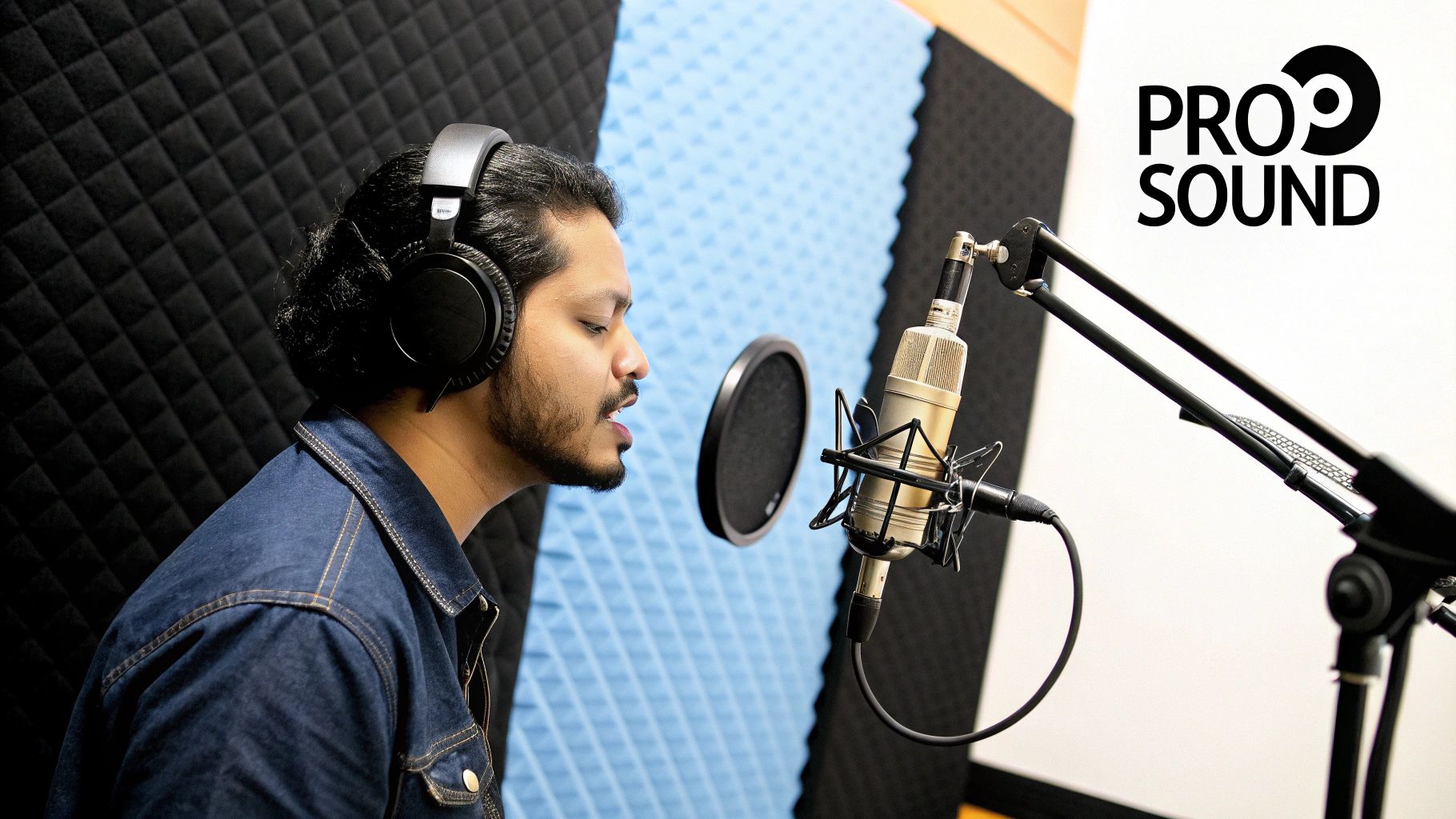
Okay, so you've got a shortlist of potential studios. This is where the real detective work begins, separating the hidden gems from the ones that just look good on paper. A flashy gear list is impressive, but it tells you nothing about what it’s actually like to work in a particular music studio for rent.
The first thing I always do is look for social proof, and I mean real social proof. Go beyond the curated five-star reviews on their homepage and hunt for detailed testimonials. What are past clients saying about the engineer’s communication style? The studio’s atmosphere?
Even more importantly, listen to the music that has come out of that studio. If you're a folk artist and their portfolio is packed with heavy metal, it might not be the right sonic fit, even if they have the best mics in town.
Always, Always Schedule a Tour
I can't stress this enough: you absolutely have to see the place. If you can't get there in person, a virtual tour is the next best thing, but nothing beats walking into the room yourself. This is your chance to get a genuine feel for the space, far beyond the perfectly lit photos online.
When you're there, let your senses guide you.
Acoustics are key: Stand in the middle of the live room and clap your hands. Do you hear a tight, controlled sound, or a distracting, washy echo?
Get a feel for the vibe: Can you actually see yourself being creative here for eight hours straight? The feel of the control room, the lounge, even the lighting—it all matters more than you might think.
Check the sightlines: If you’re tracking with a full band, can everyone see each other? Good sightlines are crucial for non-verbal cues and keeping the energy high.
A studio can have the best gear in the world, but if the room feels sterile or the monitoring position is poorly set up, your creativity and your final mix will suffer. The tour is where you confirm that the reality matches the promise.
The Crucial Questions for the Studio Manager
While you're there, make it a point to chat with the studio manager or the head engineer. This isn't just a formality; it's your chance to clarify the nitty-gritty details people often forget until it’s too late. It’s also a great way to gauge their professionalism and how they treat their clients.
Here are a few questions I always make sure to ask:
What's your data backup policy? How are session files stored and backed up? The last thing anyone wants is to lose a day's work to a hard drive failure.
Is an engineer included? Find out if the rate includes an in-house engineer or if that’s an extra cost. If you’re bringing your own, what’s their policy on that?
Are there any hidden costs? Be direct. Ask if there are extra charges for using certain mics, amps, or instruments.
What happens with cancellations or overtime? Know the rules before you book. What’s the policy if a session runs long or if you need to reschedule?
This kind of thorough vetting means you're not just booking a room with gear; you're finding a creative partner. For artists in Melbourne, our guide to recording studio hire in Melbourne offers some great local insights.
With Australia’s recorded music industry seeing its sixth straight year of growth and sales hitting AUD 717 million, the demand for professional spaces is only getting stronger. As reported by ARIA, 91.5% of that revenue comes from digital sales, pushing more artists to seek out high-quality studios to get that polished, competitive sound.
Booking Your Time and Prepping for Success
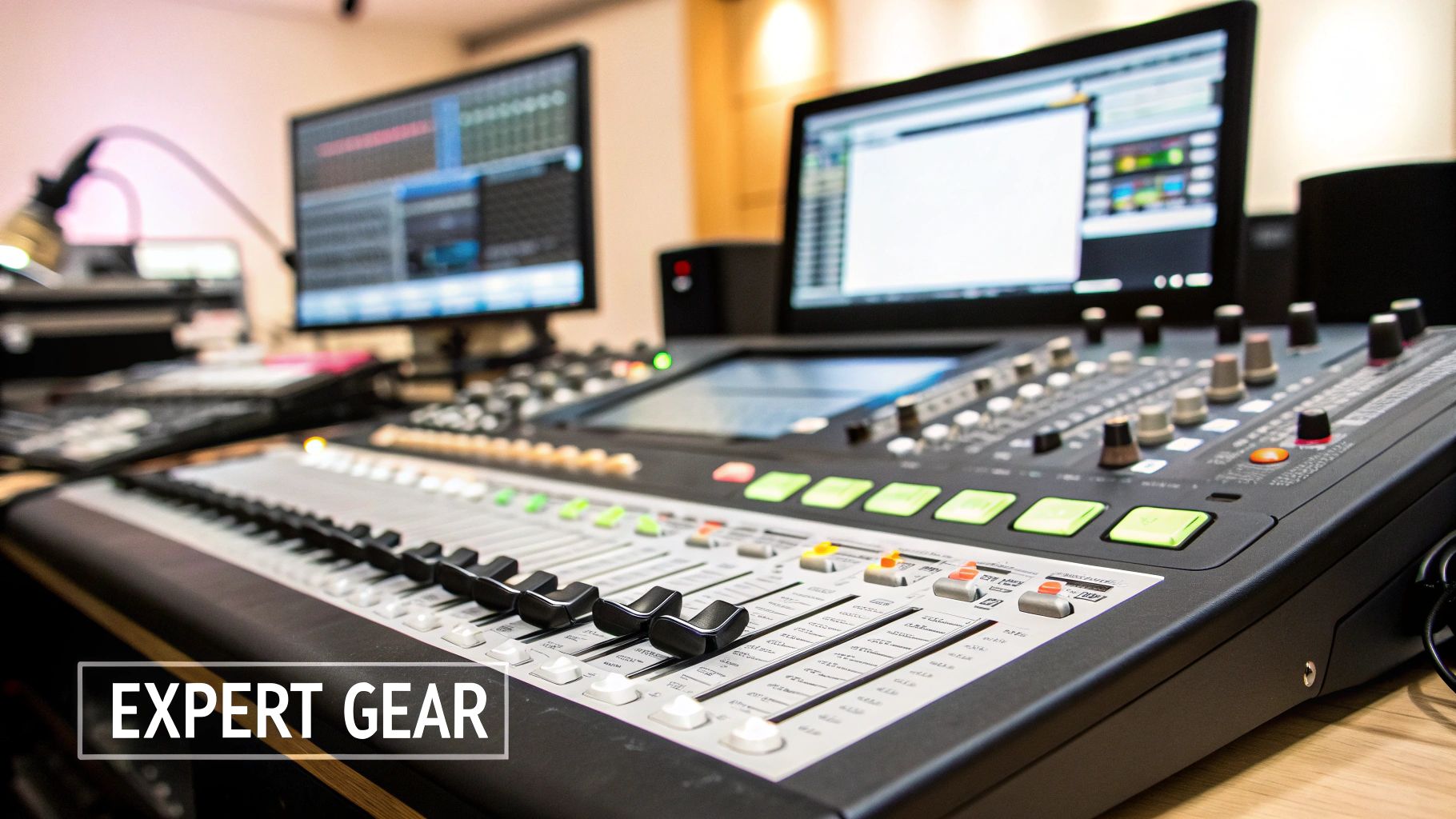
You’ve done the hard yards and found the perfect music studio for rent. Now for the exciting part: locking it in and getting ready to make some magic. Securing your slot is more than just picking a date on the calendar; it’s about making sure you understand exactly what you’re signing up for so there are no nasty surprises later.
Before you even think about putting down a deposit, get a copy of the rental agreement and read it—properly. You'll want to get your head around their policies on cancellations, deposits, and overtime. For instance, what’s the latest you can reschedule without forfeiting your deposit? And how do they bill for overtime—is it in 15-minute blocks or 30-minute chunks? Knowing this stuff upfront saves you from awkward chats and a bill that’s bigger than you expected.
With the admin out of the way, the real prep work can start. Honestly, the effort you put in before you set foot in the studio is just as crucial as the session itself. A little bit of forward-thinking saves a huge amount of time, and in a studio, time is quite literally money.
Setting the Stage for a Flawless Session
First things first, get your digital house in order. If you’re bringing in an existing project, your session files need to be clean, tidy, and clearly labelled. Take the time to consolidate tracks, delete any audio clips you're not using, and double-check that everything is saved in a format that any system can open.
Next up, put together a quick technical rider. This is just a simple document that you can email to the studio ahead of your session, laying out what you'll need. It doesn't have to be a novel, but it does need to be clear.
Here’s what you should probably include:
DAW and Version: Let them know if you're on Logic Pro X, Pro Tools, or Ableton Live, and be sure to mention the version number.
Required Inputs: Jot down how many mics or instrument lines you’ll need at once. Something like, "Need 8 mic inputs for live drum tracking," is perfect.
Specific Gear: If you’ve got your eye on a particular microphone, preamp, or piece of outboard gear from their list, mention it here.
Session Setup: Note down your preferred sample rate and bit depth (e.g., 48kHz/24-bit).
A well-prepared tech rider is a game-changer. It gives the studio engineer a chance to get most of the setup done before you even walk through the door. This means you can get straight to creating, instead of burning the first hour of your paid time watching someone plug in cables.
The Human Element of Preparation
Beyond the gear and the files, don't forget to prepare your most important asset: the people. Nothing kills the vibe—and the clock—faster than a musician who doesn't know their parts inside and out. Make sure everyone has rehearsed properly and is on the same page with song arrangements, tempos, and keys.
Finally, have a chat about what a successful day looks like. Are you hoping to track drums for three songs, or is the goal to nail the vocals for just one? Setting realistic goals keeps the session focused and stops you from feeling overwhelmed. Get everyone aligned on the creative vision so you're all pulling in the same direction. This shared understanding is the secret sauce for a productive, enjoyable, and stress-free recording session. A bit of planning here goes a long, long way.
How to Make the Most of Your DIY Studio Experience at That Creative Hub
At That Creative Hub, we’re all about empowering you to create — whether you’re a seasoned pro or just starting out. Our spaces are designed to be plug-and-play, but we’re always here to support behind the scenes.
One of the most common traps is endlessly chasing the "perfect" take. We all want our music to be brilliant, but spending a whole hour trying to nail a single guitar solo can completely throw off your session's schedule. A good rule I stick to is moving on after three to five solid attempts. You can always stitch the best parts together later on, and often, coming back with fresh ears reveals that an earlier take was actually the one.
Using the Cyclorama Studio?
Bring your own camera and crew or ask us to connect you with a trusted photographer or videographer from our network. If you’re new to lighting or unsure how to get started, we can guide you through what you need or step in with setup support. The goal is to make it easy for you to walk in and create confidently.
Drums and Bass: Get the rhythm section down first. A tight, solid foundation makes everything else you layer on top sound better and easier to record.
Rhythm Instruments: Next, lay down your main guitars, keyboards, or whatever else provides the harmonic structure. This builds the song's skeleton.
Lead Vocals and Solos: Once the main structure is solid, you can pour your energy into the standout performances without worrying if the groove underneath is right.
Following this kind of tiered approach creates a logical momentum. It also means that even if you run out of time for the bells and whistles, you’ll still leave with a complete, usable song structure.
Your most powerful tool in the studio is communication. The engineer isn't a mind reader. The more clearly you can explain the sound you’re after—whether that's with reference tracks, descriptive words, or even just hand gestures—the quicker they can dial it in for you.
Podcast Studio Access
For podcast users, we offer a fully-equipped, ever-evolving set with a dedicated production manager on-site. Whether you’re filming an interview, a solo series, or a branded piece of content, we can help set the vibe and adjust the layout to suit your vision. The set is flexible, the gear is high-quality, and the support is here if you need it. For more great ideas on session management, check out our guide on how to make the most of your recording studio hire.
Need Help? Just Ask
Can’t get a crew together? Let us handle it. We act as a concierge service for creators, linking you with the right people and tools to bring your vision to life. From photographers to editors, lighting setups to sound checks — we’ve got you.
This kind of integrated support is a growing trend, and it's a vital part of the professional infrastructure that props up the Australian music industry, which generated a massive AUD 8.78 billion in 2023-24. To compete on a global stage, high-quality production is non-negotiable. Having access to a well-equipped music studio for rent with skilled people on hand is a critical piece of the puzzle. You can even explore new research that helps the music industry hit the right notes to see just how big its economic impact is. By taking advantage of every resource available, you make sure your time is spent creating, not troubleshooting.
Wrapping Up Your Session and Building a Lasting Connection
As the final notes fade and the gear powers down, your time in the studio isn't quite over. What you do in that last hour and immediately after is just as important as the recording itself. It’s about securing your hard work and laying the groundwork for your next project. This is the moment you shift from artist to project manager.
Before you even think about packing up, sort out your files. This is the single most critical task. Don't leave the studio without a complete backup of everything you created. Seriously, it's non-negotiable. Chat with the engineer about how you’ll get your files – will they transfer them directly to your hard drive, or are you expecting a download link later?
Securing Your Creative Assets
Make sure you’re crystal clear on what you’ll be receiving. A proper file handover is more than just a single MP3.
You should be walking away with:
The Full Session Files: The entire project folder from their DAW, complete with every audio track, all your edits, and even the plugin settings.
Consolidated Stems: Each track or instrument group exported as a separate audio file, all starting from the very beginning of the song. This is a lifesaver for mixing.
Rough Mixes: The latest bounces of the songs you worked on. These are essential for reference as you move on to the next stage.
Getting all these components gives you total flexibility, whether you're sending the tracks off to a dedicated mix engineer or just archiving the project for the future.
Think of your session files like the master tapes from the old days. Leaving the studio without a verified copy is like leaving your favourite guitar behind. Always double-check that the file transfer is complete and that you can actually open them before you call it a day.
What Comes After the Final Take
With your files safely backed up, it's time to think about what's next. If the studio you hired is known for its killer tracking rooms, you might need to find someone who specialises in mixing or mastering to get the track over the finish line.
Your studio engineer is the perfect person to ask for a recommendation. They’re usually connected to a whole network of talented professionals and can point you toward someone who fits your style and budget.
This is also your chance to start building a real relationship with the studio. Your time with them doesn't just end when you pay the bill. A great studio isn't just a room with gear; they're a creative partner.
Fostering a Professional Partnership
If you had a great session, tell them! A genuine thank-you email or a positive online review can make a huge difference. Get specific – maybe you loved the engineer's creative input, the sound of a particular vintage mic, or just the comfortable vibe of the control room. This kind of detailed feedback helps their business and makes you a client they'll be excited to see again.
Building this kind of rapport can pay off in some very real ways down the track, like:
Priority booking when you're ready for your next project.
Access to better rates or special package deals.
A trusted creative partner who genuinely gets your sound and how you like to work.
By handling the end of your session with a bit of care and professionalism, you’re not just closing out a project—you're making a smart investment in your music career.
Got Questions About Renting a Music Studio? We've Got Answers
Walking into a professional studio for the first time can feel a little intimidating, and it's natural to have a bunch of questions. To help clear things up, here are some straight answers to the things we get asked most often by artists and producers.
How Much Should I Budget for Studio Time in Australia?
The cost of hiring a music studio really varies depending on the city, the size of the room, and what gear comes with it.
If you’re looking at a professional recording studio in a major city like Sydney or Melbourne, you can expect to pay anywhere from $50 to $150+ per hour, which usually includes an in-house sound engineer.
For smaller projects or just a space to jam, you can find cheaper options. Rehearsal rooms or smaller production suites often go for $25 to $60 per hour. You'll generally find more competitive rates in cities like Brisbane or Adelaide. It’s also worth asking about day rates; most studios offer a discount for half-day (4-5 hours) or full-day (8-10 hours) bookings, which can save you a fair bit of cash.
Do I Need to Hire a Sound Engineer?
This really depends on the studio’s rules and how confident you are running a session yourself.
Most professional studios have in-house engineers available, and honestly, it’s a brilliant option if you’re new to their setup. A good engineer knows the room and their gear inside and out, which means you can focus on your performance instead of troubleshooting tech issues.
On the other hand, if you’re an experienced producer or engineer, plenty of studios offer a "dry hire" rate. This just gives you the room and the equipment, no staff included. If you’re thinking of bringing in your own engineer, always have a chat with the studio manager first—some places have specific policies around this.
An experienced in-house engineer can be a lifesaver. They can solve a technical hiccup in five minutes that might take you an hour to figure out, saving you precious time and creative energy when the clock is ticking.
What Should I Bring to My Session?
The secret to a great session is being prepared. A little bit of organisation before you walk through the door means you can get straight into the music and make the most of your time.
Here’s a quick checklist of what to pack:
Your Instruments: This seems obvious, but double-check you have your guitars, keyboards, or anything else you'll be playing.
Your Signature Sound: Any specific amps, pedals, or effects that are a core part of your sound. Don't rely on the studio having that one obscure vintage pedal you love.
The Little Things: Don’t forget spare strings, picks, drumsticks, and capos. It's the small stuff that can bring a session to a grinding halt.
Session Files: Have your demos or click tracks on a portable hard drive. Even better, have them uploaded to a cloud service like Dropbox or Google Drive as a backup.
Reference Materials: Lyric sheets, chord charts, or sheet music are non-negotiable for keeping everyone on the same page.
Sustenance: Sessions can be long and draining. Pack some water and snacks to keep your energy and focus sharp.
What Happens if We Run Over Time?
Most studios are pretty strict about this. If your session goes over your booked slot, you’ll almost certainly be charged for the extra time. This is usually billed at the standard hourly rate in 15 or 30-minute chunks.
It’s a good idea to keep an eye on the clock, especially if you know there’s another booking straight after yours. If you feel like you're going to need more time, give the engineer or studio manager a heads-up as soon as possible. If their schedule is free, they can usually extend your session. Just make sure you understand the studio's overtime policy before you start, so there are no nasty surprises on the invoice.
At That Creative Hub, we offer a professional, fully-equipped music studio designed to bring your vision to life. Whether you're recording a single, tracking a full band, or producing a podcast, our space is ready for you. Book your session with us today and let's create something incredible.
Comments